Kitchen remodel timeline: what to expect
How long does a kitchen remodel really take, and what happens each week? Here is a realistic phase-by-phase timeline for Port St. Lucie, including how Florida permitting fits in and how to live comfortably through the work.
Most full kitchen remodels run about six to ten weeks from the first day of demolition to the final walk-through. Cosmetic refreshes go faster; major projects that move walls or relocate plumbing take longer. The single biggest variable is preparation: the more that is decided and ordered before work starts, the smoother the whole timeline runs.
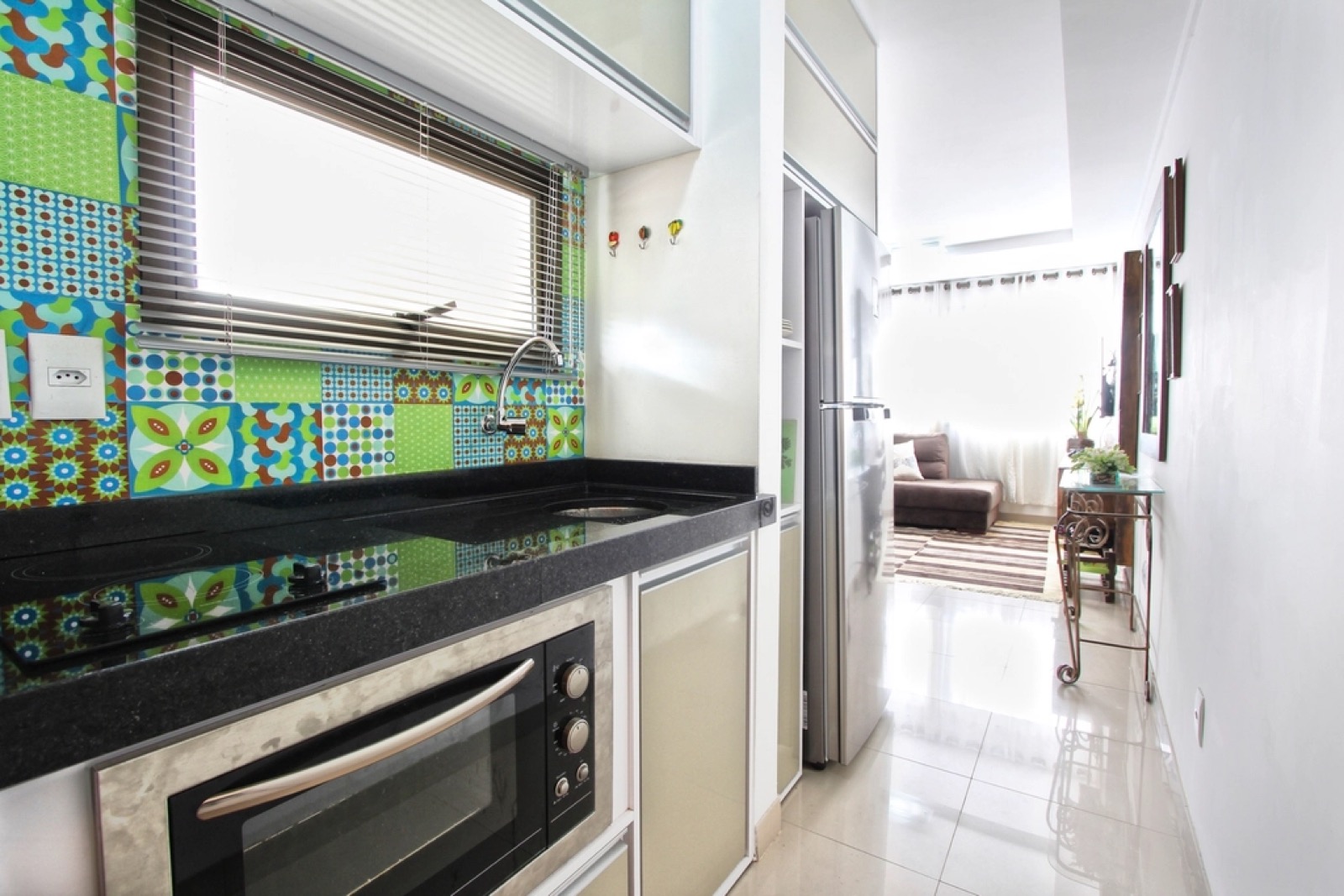
Before the clock starts: design and ordering
The weeks before demolition are not wasted time, they are what keeps the project on schedule. During design we finalize the layout, select cabinets and countertops, finishes, lighting and appliances, and lock the written estimate. Then materials get ordered. Custom cabinets in particular have a lead time, so ordering early means they arrive when we need them rather than holding up the install. We do not want to start tearing out your kitchen until the new one is ready to go in.
Permitting in Florida
Most kitchen remodels that involve plumbing, electrical or structural changes require a permit from St. Lucie County, and inspections at key stages. As a licensed remodeler, we handle the permit application and schedule inspections as part of the project. Permit review adds time on the front end, which is exactly why we line it up during the design and ordering phase so it does not stall the build. Skipping permits is never worth it: unpermitted work can create headaches at resale and is not protected if something goes wrong.
Week by week
Week 1: Demolition and rough-in prep
We protect floors and pathways, then remove old cabinets, counters, flooring and appliances. With everything out, we can see the true condition of the space and address anything hidden. This is the loud, dusty week, and it goes quickly.
Weeks 2 to 3: Rough plumbing, electrical and structural
If the layout is changing, this is when walls move, plumbing and electrical get relocated, and new circuits and lighting are roughed in. Inspections happen here before anything is closed up. Then drywall goes back, gets finished, and the room is primed.
Weeks 3 to 5: Cabinets and flooring
Flooring goes in (or is prepped), and the new cabinetry is installed and leveled precisely. Seeing the cabinets go up is the moment the kitchen finally starts to look like itself again. Once cabinets are set, we template the countertops, because stone is cut to the exact installed cabinets, not to drawings.
Weeks 5 to 7: Countertops, backsplash and fixtures
Fabricated quartz or granite counters are installed, the sink and faucet go in, and the backsplash is tiled. Appliances are connected, and lighting and hardware are finished. The room comes together fast in these weeks.
Weeks 7 to 8: Finishing and final walk-through
Final paint touch-ups, trim, a thorough clean, and the final inspection. We walk the kitchen with you, build a punch list of any small items, and take care of them. Then it is yours.
How long by project type
The week-by-week above describes a typical mid-range remodel. Your timeline shifts with scope, so here is roughly how the three common project types compare once work begins.
Cosmetic refresh: about two to three weeks
Surfaces only. New counters, a backsplash, refaced cabinets, paint and lighting on the existing layout. Because there is no rough-in or permitting for plumbing and walls, this moves quickly and is the least disruptive option.
Mid-range remodel: about six to eight weeks
The most common path. New cabinetry, stone counters, flooring, appliances and modest layout tweaks. The countertop template-and-fabricate gap and any permit review are the main pacing items, both of which we plan around in advance.
Major remodel: about ten to fourteen weeks
Walls move, plumbing and electrical relocate, and the footprint changes. Structural work means more inspection stages and longer lead times on custom cabinetry, so the calendar stretches, but the result is a fundamentally different kitchen.
What slows a project down
Almost every delay traces back to one of a handful of causes, and most are avoidable with planning.
- Late selections. A finish picked after demolition starts can stall the whole crew. Decide everything up front.
- Back-ordered materials. Custom cabinets and some appliances have real lead times. Ordering early is the single best schedule insurance.
- Permit review. County review takes time on the front end, which is why we file during the design phase, not after.
- Hidden conditions. Older homes can reveal dated wiring or plumbing once walls open. A sensible contingency keeps a surprise from becoming a standstill.
- Mid-project changes. Changing your mind after work begins ripples through the schedule. We lock decisions early so the build runs clean.
Living through a remodel
You can absolutely live at home during a kitchen remodel; a little planning makes it painless:
- Set up a temporary kitchen. A microwave, toaster oven, coffee maker and the fridge in another room covers most meals.
- Expect the noisy days early. Demolition and rough-in are the loudest. The back half of the project is quieter and tidier.
- Plan for dust control. We seal off the work area, but keeping nearby rooms closed helps.
- Keep decisions ahead of the crew. The fastest projects are the ones where every selection was made before demolition day.
Ready to map your timeline?
Every kitchen is a little different, and the best way to get a realistic schedule for yours is a free consultation. We will look at the scope, talk through lead times, and lay out a plan. Start with the full kitchen remodeling service, and if budget is on your mind, read our kitchen remodel cost guide.
Frequently asked questions
How long does a kitchen remodel take from start to finish?
Most full mid-range remodels run about six to ten weeks of on-site work, plus a few weeks of design and ordering before demolition. Cosmetic refreshes are faster and major structural projects take longer.
Why do custom cabinets affect the schedule so much?
Custom cabinetry is built to order and has a real lead time. We order it early so it arrives ready to install rather than holding up the build, which is why design and ordering happen before the clock starts.
How long are countertops after cabinets go in?
Stone is templated only once your cabinets are installed and level, then fabricated and installed, usually a week or two later. It is cut to the exact installed cabinets, not to drawings.
Will the project run on time?
The biggest variable is preparation. When every selection is made and ordered before demolition and permits are filed during design, projects stay on schedule. We manage all of that for you.