How much does a kitchen remodel cost in Port St. Lucie?
It is the first question almost everyone asks. Here is an honest look at the price tiers, what actually drives the cost, and how a kitchen remodel pays you back at resale, so you walk into your consultation already informed.
There is no single price for a kitchen remodel, the same way there is no single price for "a car." What we can give you are realistic tiers and, more usefully, the factors that move the number up or down. Use this as a framework to set expectations before you get a tailored estimate for your own kitchen.
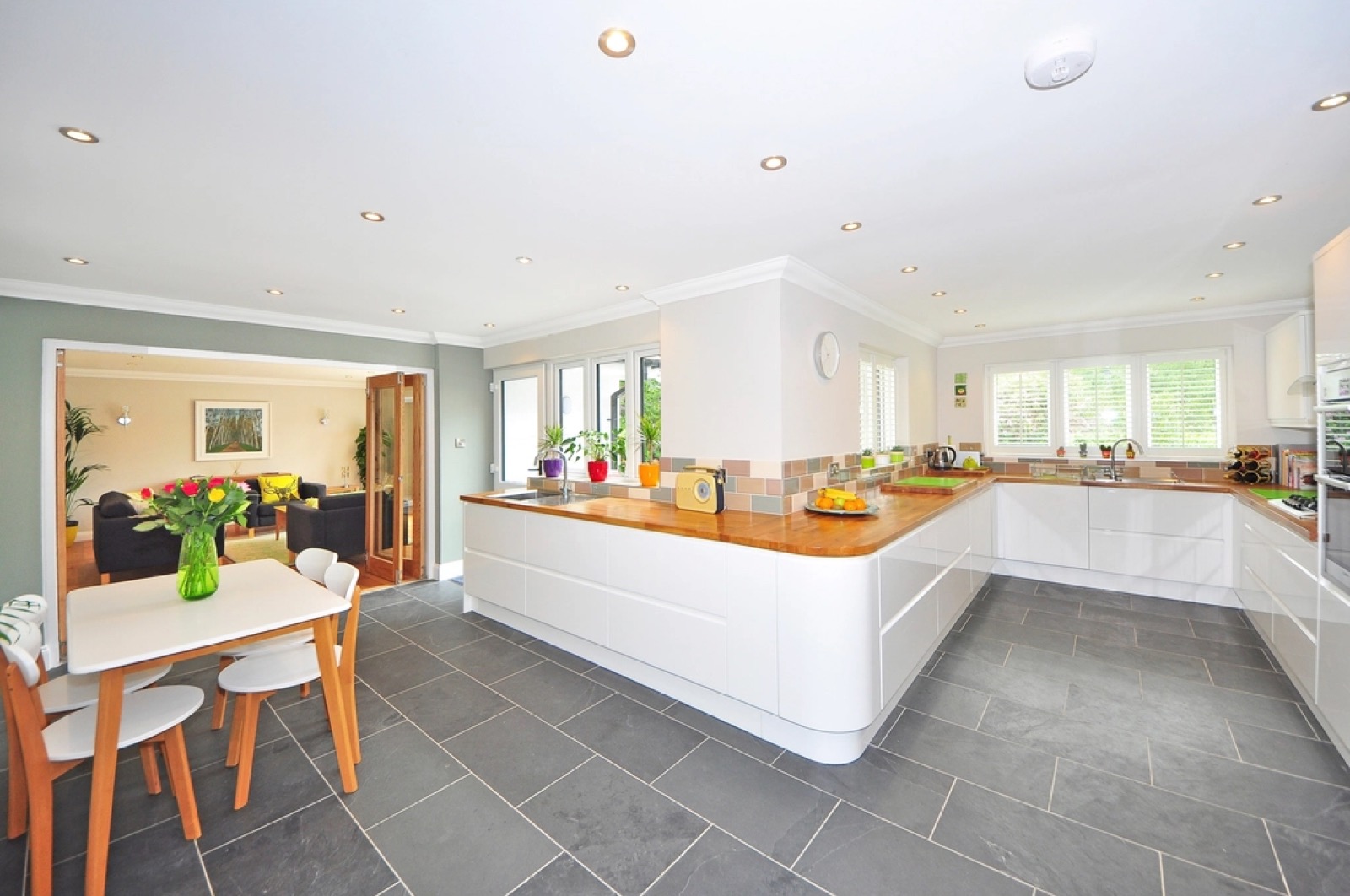
Three cost tiers
Most kitchen projects fall into one of three buckets. Where you land depends on how much you change and the level of materials you choose.
Minor remodel (cosmetic refresh)
This keeps the existing layout and focuses on surfaces: new countertops, a fresh backsplash, refinished or refaced cabinets, updated hardware, lighting and paint. It is the most budget-friendly path and a great fit when the kitchen functions fine but looks dated. You get a dramatic visual change for the least money because you are not moving plumbing or walls.
Mid-range remodel
The most popular tier. Here you replace cabinets with new custom or semi-custom cabinetry, install quartz or granite counters, add new flooring and appliances, and make modest layout tweaks such as a larger island or a relocated sink. This is where most Port St. Lucie homeowners land: a genuinely new kitchen without major structural work.
Major remodel
A full transformation. This tier opens up walls, changes the footprint, relocates plumbing and electrical, and uses higher-end cabinetry, stone and appliances. It is the biggest investment and the most involved project, but it is what turns a closed, dated kitchen into the open, premium centerpiece of the home.
What each tier typically includes
To make the tiers concrete, here is what generally goes into each one. Think of these as scope checklists rather than fixed quotes, because the materials you pick still move the number within each tier.
Minor refresh, what you get
- New countertops on the existing cabinet layout
- Refaced or refinished cabinet doors and new hardware
- Fresh backsplash, paint and updated lighting fixtures
- Same footprint, no plumbing or wall changes
Mid-range, what you get
- New custom or semi-custom cabinetry throughout
- Quartz or granite countertops with a tiled backsplash
- New flooring and a fresh appliance package
- Modest layout tweaks such as a larger island or relocated sink
- Updated lighting, electrical and finishes
Major, what you get
- Wall removal and a reworked footprint, opening to living areas
- Relocated plumbing, gas and electrical with new circuits
- Higher-end cabinetry, premium stone and an upgraded appliance suite
- Structural work, permits and multiple inspections
- Designer lighting, custom storage and detailed finishes
What drives the cost
Two kitchens of the same size can cost very differently. These are the levers that matter most:
- Cabinets. Usually the single largest line item. Stock, semi-custom and fully custom cabinetry span a wide range, and the door style and finish you choose move the number too.
- Countertops. Material and square footage drive this. Quartz and granite cost more than laminate but last far longer and add value.
- Appliances. A basic appliance package is a fraction of a high-end suite. This is one of the easier places to scale up or down to fit a budget.
- Layout changes. Keeping the existing layout saves money. Moving the sink, opening a wall or relocating gas and electrical adds labor and permitting.
- Flooring, lighting and finishes. Tile versus luxury vinyl, the number of recessed lights, the backsplash and the hardware all add up in the details.
- The unexpected. In older homes, opening things up can reveal plumbing or wiring that needs updating. A good remodeler plans a sensible contingency so a surprise does not derail the project.
Where the money is best spent
If your budget is fixed, put it where you touch and see the kitchen every day. Quality cabinets and countertops deliver the biggest impact, followed by lighting and layout improvements that make the room work better. Splurging on a niche appliance while skimping on cabinets is usually the wrong trade.
Return on investment
A kitchen remodel is consistently one of the better home improvements for resale value. Buyers notice kitchens first, and an updated one helps a home sell faster and for more. A mid-range remodel tends to recoup a strong share of its cost at sale, while keeping choices timeless protects that value. In active Port St. Lucie markets like St. Lucie West, a fresh kitchen is often the difference between a listing that lingers and one that moves.
Does financing change the math?
For many homeowners, yes. Spreading the cost over manageable monthly payments means you can choose the kitchen you actually want now, rather than compromising and wishing you had not. We offer financing options and walk through them during your consultation.
How the budget typically splits
It helps to know where the money tends to go before you start trading choices off against each other. On a typical mid-range kitchen, cabinetry is the heavyweight, usually the largest single share of the project. Countertops and installation come next, followed by labor for demolition, plumbing and electrical. Appliances, flooring, lighting, the backsplash and the dozens of small finishes round out the rest. The practical takeaway: if you need to trim the budget, scaling the appliance package or the backsplash detail moves the needle far less painfully than cutting corners on cabinets, which you live with every day.
Florida permitting and the real timeline
Permitting is a cost most homeowners forget to plan for. Any kitchen work that touches plumbing, electrical or walls generally requires a St. Lucie County permit plus inspections, and that has both a fee and a schedule impact. A good remodeler folds the permit fee into the written estimate and lines up the application during design so review time does not stall the build. Skipping permits to save a little is a false economy: unpermitted work can surface as a problem at resale and is not protected if something goes wrong down the line.
Smart ways to save without regret
- Keep the layout. Leaving the sink, range and major plumbing where they are avoids a big labor and permitting line.
- Mix material tiers. Splurge on the cabinets you touch daily and choose a mid-priced quartz rather than an exotic stone.
- Phase the appliances. A solid appliance package now, with a future upgrade later, keeps the project moving.
- Decide everything up front. Mid-project changes are where budgets blow out. Locking selections before demolition keeps the number honest.
The only way to get a real number
This guide gives you the framework; your exact price comes from your kitchen. The most accurate path is a free in-home consultation: we measure, learn your goals, and put a clear written estimate in front of you with no surprises mid-project. When you are ready, see the full kitchen remodeling service and our remodel timeline guide.
Frequently asked questions
What is the most expensive part of a kitchen remodel?
Cabinetry is almost always the largest single line item, followed by countertops and the labor for plumbing and electrical. That is why the smartest budgets protect cabinet quality and trim elsewhere.
How much should I set aside for surprises?
A sensible contingency, especially in older homes, covers the plumbing or wiring that opening up a kitchen can reveal. We plan for it so a hidden issue does not derail the project or the budget.
Does a kitchen remodel add value to my home?
Consistently. Buyers notice kitchens first, and a mid-range remodel tends to recoup a strong share of its cost at sale, especially when the choices are kept timeless rather than trendy.
Do you offer financing?
Yes. Flexible financing lets you choose the kitchen you actually want now and spread the cost over manageable monthly payments. We walk through the options at your consultation.